
You glance at the calendar and realise your period is late. Your stomach drops a little, and suddenly your mind starts spinning through every possibility. That sinking, uncertain feeling is what most people call a pregnancy scare, and it’s far more common than the silence around it would suggest.
The moment you’re in doesn’t have to turn into a full-blown panic spiral. There’s a clear path forward, from deciding whether emergency contraception still makes sense to knowing the exact day a test will actually give you a trustworthy answer. Let’s walk through it together, one practical step at a time.
Why This Moment Deserves a Clear Head, Not Panic
For the complete testing sequence, see the pregnancy test guide before choosing another test.
For more timing, result, and retesting guidance, browse the testing guides.
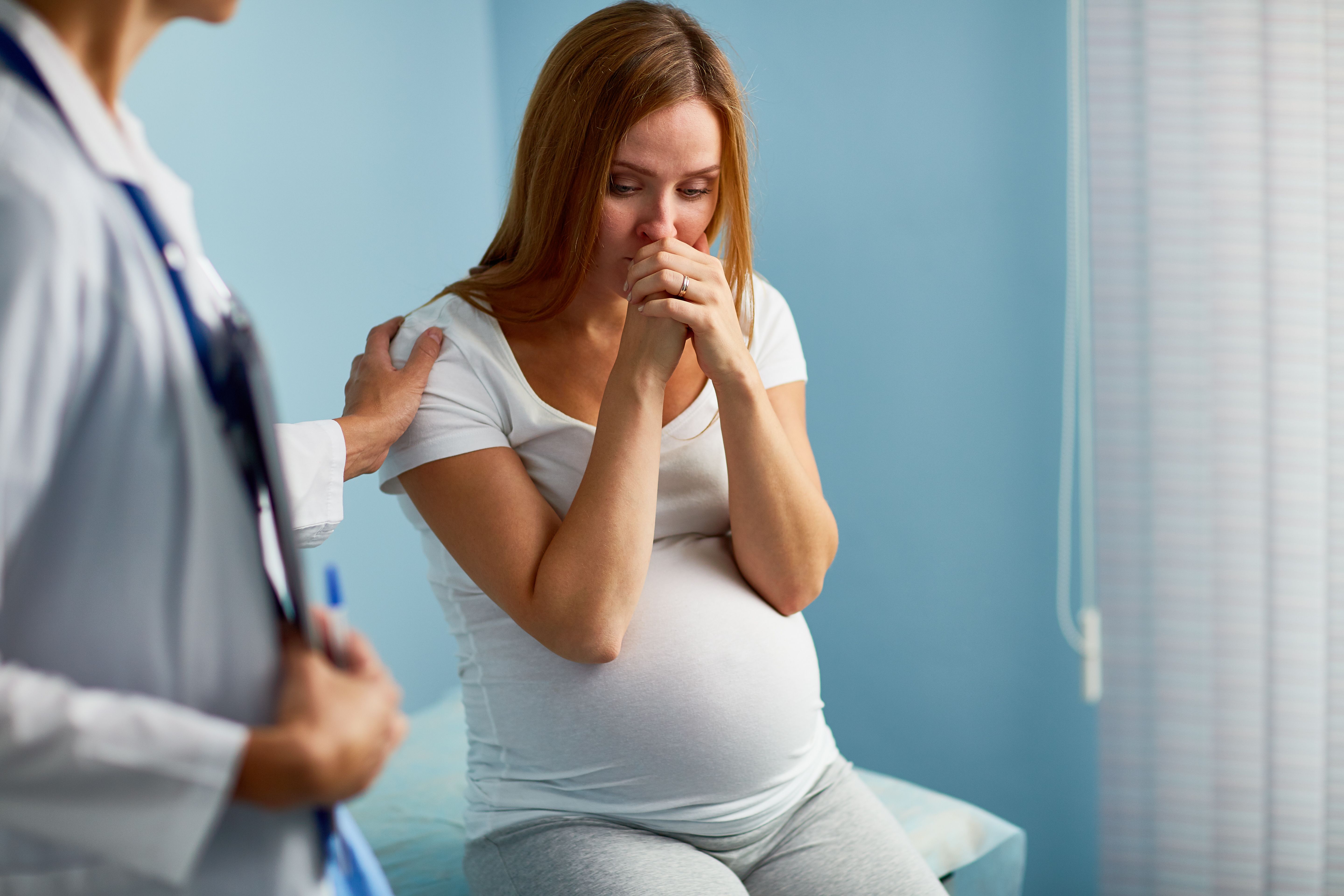
A pregnancy scare tends to hit at the worst possible time, right when you’re least prepared to think clearly. Fear has a way of making everything feel more urgent and more uncertain than it actually is.
Here’s the thing worth remembering: this happens to an enormous number of people. A late period, a slipped condom, or a forgotten pill doesn’t mean you did something wrong. It just means your body, and sometimes your birth control, didn’t behave exactly as planned.
What Usually Triggers a Pregnancy Scare
Most scares trace back to one of a handful of situations. Recognising which one applies to you helps you figure out your next move faster.
- Sex without protection — no condom or barrier method was in the picture.
- A contraception slip-up — a condom broke, a pill got taken late, or a dose was missed entirely.
- A period that’s running late — even reliable contraception can’t stop cycles from shifting due to stress, illness, or hormones.
- Symptoms that feel unfamiliar — nausea, sore breasts, or exhaustion that seem different from your usual pattern.
Why Symptoms Alone Can Be Misleading
Here’s where things get genuinely confusing: many early pregnancy symptoms look almost identical to regular premenstrual ones. That overlap is exactly why a late period sends so many people straight into a spiral of googling.
- An upset stomach or nausea
- Breast tenderness
- Low energy or fatigue
- Bloating
- Shifting moods
- A period that’s late, unusually light, or just feels different
None of these symptoms prove pregnancy by themselves. Stress, poor sleep, illness, or even a long flight can bring on very similar sensations.
Your Step-by-Step Action Plan
- Pause and breathe first. Clear thinking gets harder under panic, and you likely have more time than it feels like right now.
- Work out your timeline. Pin down how many hours or days have passed since the unprotected sex or contraception mishap.
- Weigh emergency contraception if you’re still within the window and pregnancy isn’t the outcome you’re hoping for.
- Note your expected period date so you know exactly when testing will actually give you a reliable answer.
- Talk to someone you trust — a partner, close friend, or family member — instead of sitting with this alone.
- Test on or after your missed period using a home pregnancy test.
- Check in with a provider if your period still hasn’t shown up, or if you simply want guidance either way.
Emergency Contraception: The Real Facts

What It Actually Does
Emergency contraception, sometimes called the morning-after pill, primarily works by delaying ovulation, keeping sperm and egg from meeting. It’s not the same thing as the abortion pill, and it won’t end a pregnancy that’s already established.
Timing Is Everything
Most emergency contraception options work best within 72 hours of unprotected sex, though certain formulations stay effective up to 120 hours. The sooner you take it, the better your odds, so don’t wait around if you’re considering it.
Afterword
Don’t be surprised if your next period shows up earlier, later, or a little different than usual after taking emergency contraception. Light spotting is also common. If your period is more than a week overdue afterward, take a test and reach out to your provider.
Getting the Timing Right for a Pregnancy Test
Testing too soon is one of the most common reasons people end up with a confusing or unreliable result.
| When You Test | What Usually Happens |
|---|---|
| Before your period is due | hCG levels are often too low to register, even in a real pregnancy |
| The day your period is due | Most standard tests start becoming reliable |
| A few days after a missed period | Accuracy peaks here; a good time to retest if an earlier result was negative |
First morning urine gives you the best shot at an accurate result, since it’s more concentrated. If a negative test doesn’t line up with a period that still hasn’t arrived, test again in a few days.
When It Turns Out to Be a False Alarm
Sometimes a scare has nothing to do with pregnancy at all. Stress, sudden weight changes, thyroid problems, or a naturally irregular cycle can all delay a period and mimic pregnancy symptoms without any pregnancy involved.
In rare situations, intense fear or longing around pregnancy can even produce physical symptoms like bloating or nausea, something sometimes called a false pregnancy. If symptoms stick around despite a negative test, or your cycle stays off, a healthcare provider can help pinpoint what’s actually happening.
Dealing With the Emotional Weight of It
A pregnancy scare rarely brings just one feeling. Fear, guilt, frustration, and even an unexpected sense of relief can all show up at once, sometimes contradicting each other. That mix is completely normal, no matter which outcome you’re hoping for.
If a partner is involved, try to keep the conversation honest instead of pointing fingers. The uncertainty itself is stressful enough without adding conflict on top of it. And if anxiety starts bleeding into your everyday life, talking with a counsellor or provider can genuinely help you work through it.
Practical Ways to Prevent Future Scares
- Pick a birth control method that actually fits your daily routine, not just the one that sounds best on paper.
- Look into long-acting options like an IUD or implant if remembering a daily pill feels like a losing battle.
- Keep backup protection, like condoms, within easy reach at all times.
- Track your cycle with an app or simple calendar so you know what “normal” looks like for you.
- Keep emergency contraception on hand before you need it, and glance at expiration dates now and then.
Common Mistakes to Watch For
- Testing too early and treating a negative result as the final word.
- Hesitating too long on emergency contraception after unprotected sex.
- Brushing off a late period just because an early test came back negative.
- Rushing through test instructions and misreading the result.
- Trying to handle all the stress solo instead of reaching out for support.
Frequently Asked Questions
Can stress by itself delay a period?
Yes. Heavy stress can throw off the hormones that regulate your cycle, sometimes pushing your period back or skipping it altogether.
Is it strange to feel relieved even when I wasn’t sure what outcome I wanted?
Not at all. Mixed emotions, including relief tangled up with other feelings, are a normal part of going through a scare, regardless of what you were hoping for.
Does emergency contraception cover me for the rest of the month?
No. It only addresses the specific incident that already happened. You’ll need ongoing protection for anything after that.
Does it matter if I test at night instead of first thing in the morning?
It’s still possible, but morning urine is more concentrated, which gives the test a better shot at picking up hCG early on.
What happens if my partner and I don’t agree on what to do?
This is a genuinely hard spot to be in. Give yourselves time for an honest conversation, and don’t hesitate to bring in a counsellor or provider if you’re stuck.
Is having more than one pregnancy scare in life unusual?
Not really. There’s no set number, but scares happen often enough that most sexually active people go through at least one at some point.
Can birth control still fail even when I use it correctly?
Yes, though it’s uncommon. No method except abstinence offers complete protection, which is exactly why backup options matter.
Is it still worth seeing a doctor if my test comes back negative?
If your period is still missing or something feels off, checking in with a provider is a smart move rather than assuming everything is fine on its own.
Key Takeaways
- A pregnancy scare is common, and it doesn’t mean you did anything wrong.
- Emergency contraception works best within 72 hours, and can still help up to 120 hours after unprotected sex.
- Testing before your missed period often leads to an unreliable result.
- Plenty of pregnancy symptoms overlap with regular premenstrual signs, so testing is the only real way to know.
- Leaning on a partner, friend, or provider makes the waiting period far more manageable.
Conclusion
A pregnancy scare has a way of making your entire world shrink down to one nagging question, but you’re allowed to move through it calmly, one step at a time. Sort out your timeline, weigh emergency contraception if it applies, and hold off testing until it will actually give you a trustworthy answer.
Whatever the outcome ends up being, go easy on yourself while you wait. This is a genuinely sensitive experience, and if the anxiety feels bigger than you can carry alone, a doctor, counselor, or trusted support line is there to help you talk it through.