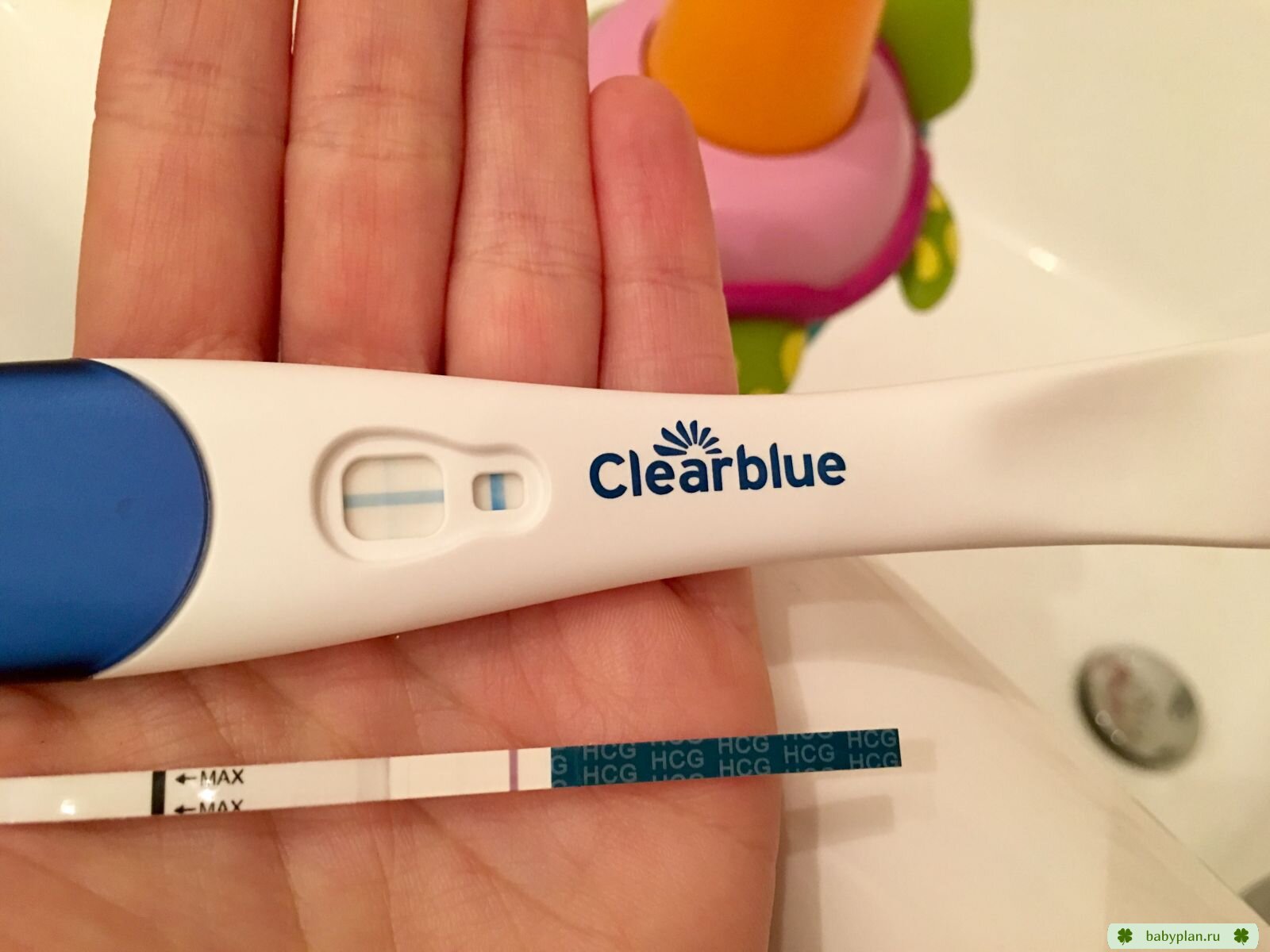
You’re eight days past ovulation, and you’ve already checked your underwear twice today. Maybe you’ve got a box of tests sitting in the bathroom cabinet, calling your name. If you’re asking whether it’s worth taking a test at 8 DPO, you’re far from the only one counting down the days like this.
Here’s the short version: an 8 DPO pregnancy test can work for a small number of people, but for most, it’s simply too early. Your body may not have made enough of the pregnancy hormone yet, even if you actually are pregnant. Let’s walk through why that happens, what a faint line might mean, and when testing actually starts to make sense.
Why Timing Matters So Much Right Now
For the complete testing sequence, see the pregnancy test guide before choosing another test.
For more timing, result, and retesting guidance, browse the full pregnancy testing hub.
The two-week wait is one of the hardest parts of trying to conceive. Testing too early doesn’t just risk a wrong answer — it can also set you up for a wave of disappointment that wasn’t necessary in the first place.
Understanding what’s actually happening inside your body at this point can save you stress, money on tests, and a lot of second-guessing. Once you know how hCG (the hormone pregnancy tests look for) actually builds up, the whole process makes a lot more sense.
What’s Going On in Your Body at 8 DPO
At day 8 past ovulation, a fertilized egg is either still traveling toward the uterus or has just started to settle into the uterine lining. This process, called implantation, is the real starting point for pregnancy hormone production.
- Implantation usually happens somewhere between 6 and 10 DPO, though the exact day varies a lot from person to person.
- Your body only starts making hCG after implantation begins not before.
- Even once implantation starts, hCG levels are tiny at first and take time to climb.
This is exactly why testing at 8 DPO is considered early. Your body might genuinely be pregnant and still show a negative test, simply because the hormone hasn’t caught up yet.
hCG Levels: Why They’re So Low This Early
hCG roughly doubles every two to three days once it gets going, but it starts from almost nothing. At 8 DPO, many people have close to zero detectable hCG in their system, even if conception did occur.
Most home pregnancy tests need somewhere between 10 and 25 mIU/mL of hCG to show a positive result. Here’s roughly how hCG tends to build over the following days:
| Days Past Ovulation | Typical hCG Range (mIU/mL) | Chance of Detection |
| 8 DPO | 0–10 | Low |
| 10 DPO | 5–50 | Moderate |
| 12 DPO | 10–100 | Higher |
| 14 DPO | 25–300 | High |
Keep in mind these numbers are just general ranges. Every body is different, and hCG levels alone shouldn’t be used to guess exactly how far along a pregnancy is.
Can You Actually Get a Positive at 8 DPO?
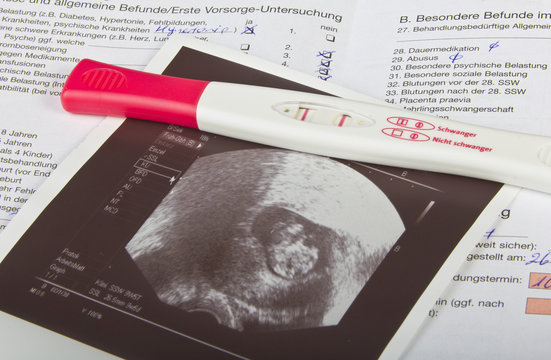
Yes — it happens, but it’s not the norm. A positive result this early usually means implantation occurred on the earlier end of the typical window, and your body started producing hCG faster than average.
For most people, a clear, confident positive doesn’t show up until 12 to 14 DPO, which lines up closely with when a period would normally be due. If your test is negative at 8 DPO, that alone tells you very little either way.
How Reliable Is Testing This Early?
Test accuracy climbs sharply with each extra day you wait. At 8 DPO, a few things work against getting a clear answer:
- Implantation may not have happened yet at all.
- Even after implantation, hCG needs time to build up to a detectable level.
- Not all test brands have the same sensitivity, so some pick up lower levels than others.
A test at 12–14 DPO is far more trustworthy than one at 8 DPO. If you can hold off, waiting will save you from a lot of unclear results.
Symptoms People Notice Around 8 DPO
This is often the most confusing part of the whole process. Early pregnancy symptoms and regular pre-period symptoms can look almost identical, including:
- Mild cramping
- Sore or tender breasts
- Feeling unusually tired
- Bloating
- Light spotting
- Mood swings
None of these symptoms confirm pregnancy on their own. Progesterone rises after ovulation whether or not you conceived, and it can cause many of these same feelings either way.
What a Negative Test at 8 DPO Really Means

A negative result this early doesn’t rule pregnancy out. It usually just means one of these three things:
- Implantation hasn’t happened yet.
- hCG is present but still too low to register.
- The test you used wasn’t sensitive enough to catch trace amounts.
If your period doesn’t show up on schedule, it’s worth testing again a few days later. Waiting gives your body time to catch up, and the second test will be far more reliable than the first.
What About a Faint Line?
A faint line — often called a “squinter” by people in online forums — can leave you staring at a test for way too long. Sometimes it does mean a small amount of hCG is present. Other times, it’s caused by something else entirely.
Faint lines can also show up because of:
- An evaporation line that formed after the test’s reading window closed
- Testing too early, when hormone levels are still very low
- Certain test brands being more prone to shadow lines than others
If you spot a faint line, the best move is to retest in about 48 hours using first morning urine. If you’re actually pregnant, hCG should roughly double in that time, and the line should look noticeably darker.
When Is the Best Time to Actually Test?
Most doctors and midwives recommend waiting until after a missed period — generally around 12 to 14 DPO — for the most dependable result. This gives ECG enough time to reach a level that standard home tests can pick up.
If waiting feels impossible, testing no earlier than 10 DPO with an early-detection test slightly improves your odds. Just know the result still won’t be as reliable as one taken a few days later.
Morning Urine vs. Testing Later in the Day
When you test matters almost as much as which day you test. Urine that’s been sitting in your bladder overnight is far more concentrated, which makes it easier to catch low ECG levels.
| Testing Time | Why It Matters |
| First morning urine | Most concentrated — best option for early testing |
| Afternoon or evening urine | Diluted by fluids throughout the day, harder to catch faint positives |
If you’re testing before a missed period, always use your first bathroom trip of the day for the most accurate reading.
Home Test vs. Blood Test: What’s the Difference?
A blood test done at your doctor’s office can pick up pregnancy earlier and more precisely than a home urine test, since it measures the exact hCG number in your blood rather than giving a simple yes-or-no result.
| Feature | Home Urine Test | Blood Test |
| Earliest possible detection | Around 10 DPO with a sensitive test | Around 7–8 DPO |
| Accuracy at 8 DPO | Low | Higher |
| Cost | Low | Requires a clinic visit |
| What you get | Positive or negative | An exact hCG number |
If you have a real medical reason to test early, like fertility treatment monitoring, a blood test ordered by your doctor is your most reliable option.
How to Test Correctly, Step by Step
- Use your first urine of the morning for the most concentrated sample.
- Read the instructions on your specific test before you start.
- Collect urine in a clean cup, or hold the stick directly in your urine stream.
- Dip or expose the strip for exactly as long as the instructions say.
- Set the test flat on a surface and start a timer.
- Read the result within the stated window, usually 3 to 5 minutes.
- Don’t check the test again after that window — evaporation lines can show up later and cause confusion.
- If it’s negative and your period hasn’t arrived, test again in 2 to 3 days.
Practical Tips for the Two-Week Wait
- Track ovulation carefully with an ovulation predictor kit or basal body temperature chart, since your DPO count depends on knowing this date.
- Pick a test labeled for “early detection” if you plan to test before your period is due.
- Cut back on extra fluids right before testing, since too much water can dilute your sample.
- If a home test keeps giving unclear results, ask your doctor about a blood test for a definite answer.
Common Mistakes to Watch Out For
- Treating an early negative as the final answer.
- Checking the test result after the recommended time window has passed.
- Using urine that’s diluted instead of your first morning sample.
- Comparing your timeline to someone else’s story online — implantation timing really does vary.
- Skipping a retest after a missed period just because an early test was negative.
Frequently Asked Questions
Is 8 DPO too early to test?
For most people, yes. hCG usually hasn’t built up to a detectable level yet at this point.
Can implantation happen after 8 DPO?
Yes. It typically happens between 6 and 12 DPO, and sometimes a little later than that.
Why do I have pregnancy symptoms at 8 DPO if I’m not pregnant?
Progesterone released after ovulation can cause symptoms that feel a lot like early pregnancy, whether or not you actually conceived.
Should I test again after a negative at 8 DPO?
Yes, especially if your period doesn’t show up when expected. Give it a few more days and test again.
Can stress delay implantation?
Some research suggests stress might affect cycle timing, but scientists haven’t confirmed a direct link to implantation specifically.
What’s the difference between a chemical pregnancy and a false positive?
A chemical pregnancy is a real, very early pregnancy loss — the test was accurate at the time. A false positive means hCG showed up for a reason unrelated to an ongoing pregnancy.
Do twins change hCG levels at 8 DPO?
hCG can sometimes rise faster with multiples, but at 8 DPO it’s generally too early to notice any real difference.
Can I trust a cheap pregnancy test at 8 DPO?
Lower-cost tests can still work well. Just check the test’s stated sensitivity level in mIU/mL before you rely on it.
How early can a blood test confirm pregnancy?
Blood tests can sometimes detect pregnancy around 7 to 8 DPO, earlier than most home urine tests.
When should I talk to a doctor about testing?
If your cycles are irregular, you’ve had fertility challenges in the past, or you’re just feeling stuck in uncertainty, it’s worth bringing it up with your doctor.
Key Takeaways
- At 8 DPO, hCG levels are usually too low for a home test to catch, even in a real pregnancy.
- A negative result this early doesn’t mean you’re not pregnant — it may just be too soon to tell.
- Waiting until 12–14 DPO gives you a far more accurate result.
- First morning urine and early-detection tests slightly improve your odds if you can’t wait.
- A blood test is the most reliable option if you need an early, exact answer.
Conclusion
Testing at 8 DPO is tempting, and honestly, that urge to know makes total sense. But this early in the game, your body simply may not have caught up yet, even if a pregnancy is underway.
If you can manage it, try to hold off until you’re closer to your missed period around 12 to 14 DPO. And if the waiting feels like too much, a blood test through your doctor can give you clarity sooner than repeating home tests over and over. However this cycle turns out, be patient with yourself — the two-week wait is genuinely hard, and taking it one day at a time is completely okay.