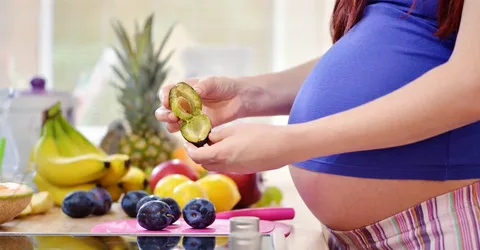
That sudden 2 a.m. hunt for pickles isn’t random it’s one of the most talked about (and least understood) parts of early pregnancy. If you’ve just seen two lines on a test, you’re probably wondering when the famous cravings actually kick in, and whether they mean anything at all. Here’s the quick version: most women start noticing cravings somewhere between weeks five and eight, watch them build through the rest of the first trimester, and then hit peak intensity around the second trimester before things gradually calm down. That said, pregnancy rarely follows a strict script, and cravings are no exception.
Below, we’ll break down what tends to happen week by week, the science behind why your taste buds seem to have a mind of their own, which foods show up most often at each stage, and how to handle the cravings without turning meals into a source of guilt.
When Do Cravings Usually Show Up First?
For practical meal ideas across all three stages, see the pregnancy food chart.

There’s no single day when cravings switch on but clinicians and researchers both notice a pretty reliable pattern across pregnancies. For most women, the first real cravings arrive toward the tail end of the first trimester, though some notice them creeping in as early as week five.
Weeks 5–8: The First Signals
This is usually the stretch where the question stops being theoretical and starts being personal. ECG and estrogen surge quickly during these weeks, and that hormonal shift can scramble your sense of taste and smell almost overnight. One day a food is completely unremarkable; the next, you either can’t stop thinking about it or can’t stand to be in the same room as it.
Weeks 9–13: Cravings Get Specific
As the first trimester wraps up, vague urges tend to sharpen into very particular demands — not just “something salty,” but a specific brand, a specific texture, or a bizarre pairing like fruit dunked in something salty or spicy. This window also overlaps with the peak of morning sickness and food aversions, so cravings can feel especially loud simply because everything else on the menu suddenly feels off-limits.
Second Trimester: The Peak
Once first-trimester nausea starts to fade, many women find cravings hit their strongest point. Your body’s energy demands are climbing, hormones are re calibrating again, and this is often the phase people describe as the most vivid and food-obsessed stretch of pregnancy.
Third Trimester: A Slow Fade
Cravings rarely vanish outright, but they typically lose some of their urgency as delivery approaches. For some women, a few favourites stick around into the postpartum weeks before finally settling down.
What’s Actually Driving Pregnancy Cravings?
Despite years of study, there’s still no single agreed-upon explanation for why cravings happen — but several well-supported factors likely work together.
- Hormones on the move. Climbing ECG, estrogen, and progesterone interact with the brain’s appetite centers, which helps explain why cravings often ramp up right alongside other classic early pregnancy symptoms. Some research points to increased activity in the brain’s reward and energy-regulation circuits as a driver of these food-specific urges.
- A sharper nose. Many pregnant women develop hypermedia, an intensified sense of smell that can make certain foods suddenly magnetic and others suddenly unbearable — sometimes both in the same afternoon.
- Changing nutritional demands. Pregnancy nutrition your body’s need for calories, iron, and other nutrients, and some researchers suspect cravings are an imperfect signal for those shifting requirements.
- Comfort, memory, and culture. What you crave isn’t purely biological — nostalgia and cultural food habits play a role too. It’s part of why chocolate tops the list in the U.S. while rice cravings are more typical in Japan.
Cravings are also far from rare. One large cross-sectional survey found that roughly 83% of pregnant participants reported food cravings — a number that lines up closely with earlier research placing the range somewhere between 50% and 90%.
What People Tend to Crave, Trimester by Trimester
| Trimester | Common Cravings |
|---|---|
| First | Salty and savory snacks, citrus fruit, plain carbs like crackers or toast |
| Second | Sweets, dairy, fresh fruit, unusual food combinations |
| Third | Comfort foods, spicy dishes, continued sweet cravings — usually with less intensity |
Keep in mind that every pregnancy writes its own list. There’s no “correct” set of cravings to check off, so don’t worry if yours doesn’t match the chart above.
When a Craving Isn’t About Food at All: Pica

Every so often, a pregnant woman finds herself drawn to something that isn’t food — ice, clay, dirt, or laundry starch, for example. This is known as pica, and it’s not something to shrug off. It can be tied to an underlying iron deficiency, and eating non-food substances carries real risks, including interfering with nutrient absorption or introducing toxic or parasitic material into the body. If this happens to you, mention it at your next prenatal visit. Your OB-GYN or a registered dietitian can check your nutrient levels and help build a plan tailored to what you actually need.
Handling Cravings Without the Guilt
- Skip total restriction. For most pregnancies, a reasonable indulgence here and there isn’t a problem.
- Add nutrition where you can. Craving something sweet? Fruit with yogurt can scratch that itch just as well as candy, some of the time.
- Check your hydration first. Thirst often masquerades as a craving, especially for salty or crunchy foods.
- Stock smarter alternatives. Keeping nutrient-dense versions of your go-to cravings on hand can save you from a last-minute takeout order.
- Loop in a professional if things feel extreme. If cravings are making it hard to eat a balanced diet, a nutrition plan built around your specific patterns can make a real difference.
If nausea is complicating things alongside the cravings, pairing these strategies with first-trimester nausea management tips can make daily eating a lot easier to navigate.
Frequently Asked Questions
When do pregnancy cravings start exactly?
Most women first notice cravings between weeks 5 and 8, though they often become more obvious later in the first trimester.
Can cravings start before a positive pregnancy test?
It’s rare but not impossible. Since cravings are usually driven by hormonal changes that ramp up after implantation, most women notice them around the same time as other early symptoms rather than before.
Do cravings predict the baby’s sex?
No this is a widespread myth with no scientific backing.
Why do cravings sometimes involve strange combinations?
Heightened taste and smell sensitivity, combined with hormonal shifts and changing nutritional needs, can make unusual pairings think pickles and ice cream genuinely appealing during pregnancy.
Is it normal to have no cravings at all?
Completely normal. While most women report at least some cravings, plenty of healthy pregnancies involve few or none.
When do cravings typically peak?
Usually during the second trimester, after early nausea eases but before the physical demands of the third trimester set in.
When do cravings usually stop?
They tend to taper off in the third trimester and often fade further after delivery, though the timeline varies quite a bit from person to person.
Should I worry about craving non-food items?
Yes — cravings for things like ice, dirt, or starch (pica) are worth discussing with your healthcare provider, since they can sometimes point to a nutrient deficiency such as low iron.
The Bottom Line
So, when do pregnancy cravings start? For most women, the honest answer is early often within the first couple of months building steadily through the first trimester and reaching their peak in the second. Cravings are a normal, well-documented part of pregnancy for the majority of women, and knowing roughly what to expect can help you feel prepared instead of blindsided. If your cravings ever feel overwhelming, unusual, or difficult to manage, a prenatal nutrition specialist can help you build a plan that keeps both you and your baby well-nourished through every stage.