
Sciatica Pain in Pregnancy: Causes, Symptoms, and Relief
For the complete symptom index, see the pregnancy symptoms guide.
For related symptom explainers and safe next-step guidance, browse the Pregnancy Health guides.
A sharp jolt runs from your lower back down into your leg, and it stops you mid-step. If this sounds familiar, you are not alone. Many pregnant women deal with this exact feeling, and it usually has a name: sciatica.
Sciatica pain in pregnancy can feel scary the first time it hits. The good news is that it’s rarely dangerous, and most women find real relief with a few simple changes. This guide walks you through why it happens, what it feels like, and how to calm it down at every stage of your pregnancy.
Why This Topic Matters
Back and leg pain often gets brushed off as “just part of pregnancy.” But sciatica is its own specific problem, and treating it the right way makes a big difference in your comfort.
Knowing the difference between normal pregnancy aches and true sciatic nerve pain helps you get the right care sooner. It also helps you avoid worrying about symptoms that are completely normal, while staying alert to the rare signs that need a doctor’s attention.
What Is Sciatica Pain in Pregnancy?

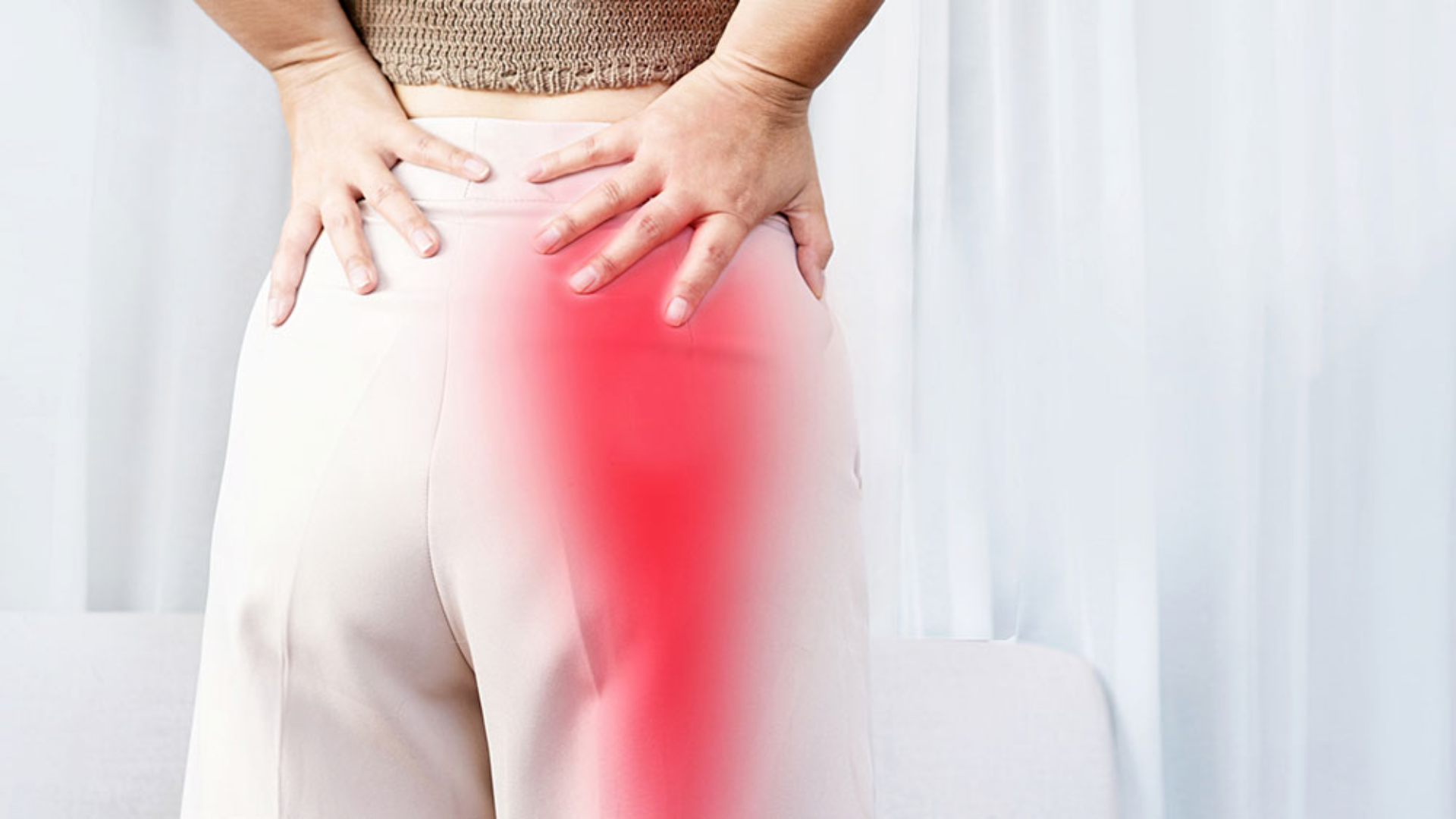
Your sciatic nerve is the longest nerve in your body. It starts at your lower spine, runs through your hips and buttocks, and travels all the way down each leg.
When something presses on or irritates this nerve, you feel it. The pain can be burning, sharp, or tingling, and it often travels rather than staying in one spot. During pregnancy, this pressure usually comes from your changing body rather than a spine injury, which sets it apart from sciatica in non-pregnant people.
What Causes Sciatica During Pregnancy?

Most women don’t deal with just one cause. Sciatica pain in pregnancy usually comes from a mix of physical and hormonal changes happening at the same time.
A Growing Uterus Puts on the Pressure
As your baby grows, your uterus expands and can press directly on your lower spine and sciatic nerve. This is especially true if your baby is sitting low or leaning to one side. This is a big reason sciatica tends to show up, or get worse, later in pregnancy.
Hormones Loosen Your Joints
Your body releases a hormone called relaxing to loosen the ligaments and joints in your pelvis, getting you ready for delivery. Helpful as that is for childbirth, it also makes your lower spine less stable. Combine that with extra weight and a shifting centre of gravity, and your back muscles end up working overtime, which can irritate the sciatic nerve.
Signs and Symptoms to Watch For
Catching sciatica early makes it easier to manage. Here’s what to look out for:
- Shooting or burning pain that starts in your lower back or buttock and runs down one leg
- Numbness or tingling in your thigh, calf, or foot
- Weakness in the muscles of the affected leg
- Pain that gets worse when sitting, standing too long, or moving a certain way
- One-sided discomfort — sciatica almost always affects just one side of the body
If pain shows up on both sides at once, or comes with fever, loss of bladder control, or leg weakness that’s getting worse fast, call your healthcare provider right away. These can point to something more serious.
How Common Is Sciatica in Pregnancy?
It’s more common than most people think. Large surveys of pregnant women have found that roughly one in five experience sciatica at some point during pregnancy, and most of them end up seeking help from a healthcare provider to manage it.
A true herniated disc, on the other hand, is much rarer, affecting only about one in 10,000 pregnant women. This means most sciatica during pregnancy comes from positioning and hormonal shifts, not structural spine damage. Some clinical research puts formal sciatica diagnoses at around 1% of pregnancies, though many experts believe the real number is higher since mild cases often get mistaken for ordinary pregnancy back pain.
Sciatica Pain Trimester by Trimester
First Trimester
Sciatica is uncommon this early, since your uterus hasn’t grown enough yet to press on the nerve. Any back pain now is more likely tied to hormone shifts or posture.
Second Trimester
This is often when sciatica starts to show up. Your baby bump is growing, your center of gravity is shifting, and your ligaments are loosening thanks to relaxin.
Third Trimester
Symptoms are usually strongest here. Your baby’s weight and position put the most direct pressure on your lower spine and sciatic nerve, so pain and tingling tend to peak in these final weeks.
Practical Tips for Relief
Most women can ease sciatica pain in pregnancy without medication, using simple, pregnancy-safe habits:
- Sleep on your side with a pillow tucked between your knees to take pressure off the nerve.
- Try gentle stretches, like the cat-cow stretch, to loosen up your lower back.
- Keep moving with low-impact activity such as walking or prenatal yoga, which doctors often recommend for pregnancy-related back pain.
- Use heat or cold packs on the sore area for short-term comfort.
- Wear supportive, low-heeled shoes to help keep your posture and spine aligned.
- Ask about professional care, such as prenatal-safe physical therapy or chiropractic adjustments, if the pain sticks around or gets worse.
Common Mistakes to Avoid

- Ignoring the pain and hoping it fades on its own. Left unman aged, sciatica can get worse as pregnancy progresses.
- Sleeping flat on your back. This position can add extra pressure to the lower spine.
- Skipping movement altogether. Staying completely still often makes stiffness and pain worse, not better.
- Seeing a general chiropractor or therapist without prenatal experience. Look for someone trained specifically in prenatal care.
- Waiting too long to call a doctor when symptoms are severe or affect both legs.
Frequently Asked Questions
When does sciatica pain in pregnancy usually start?
It can happen at any point, but it’s most common in the second and third trimesters, as the growing uterus adds more pressure to the lower spine.
Does it affect one leg or both?
Usually just one side. If you feel pain in both legs at the same time, contact your healthcare provider.
Will sciatica go away after birth?
For most women, yes. Symptoms typically clear up within a few weeks to a few months after delivery, once the pressure on the nerve is gone.
Is it safe to stretch or exercise with sciatica while pregnant?
Yes, in most cases. Gentle, pregnancy-approved stretches and low-impact exercise can help ease symptoms. Check with your provider before starting anything new.
Can sciatica harm my baby?
No. Sciatica affects your nerves and muscles, not your baby’s development.
What sleeping position helps the most?
Lying on your side, ideally the side opposite the pain, with a pillow between your knees usually offers the most relief.
Are chiropractic adjustments safe during pregnancy?
Many women safely use prenatal-specific chiropractic or physical therapy care. Just be sure to choose a provider with experience treating pregnant patients.
When is sciatica pain a medical emergency?
Get immediate care for sudden severe pain, loss of bladder or bowel control, or leg weakness that’s rapidly getting worse. These can signal a more serious nerve problem.
Key Takeaways
- Sciatica pain in pregnancy is common, affecting roughly one in five pregnant women.
- It’s caused by a mix of a growing uterus, shifting posture, and the hormone relaxin loosening your joints.
- Symptoms usually peak in the second and third trimesters.
- Side sleeping, gentle stretching, and staying active are simple, effective first steps.
- Severe pain, both-sided symptoms, or loss of bladder control need urgent medical attention.
Conclusion
Dealing with sciatica pain in pregnancy is uncomfortable, but it’s rarely something to panic about. Understanding why it happens and knowing which relief methods actually help can make the rest of your pregnancy far more comfortable.
If your pain doesn’t ease up, or it starts to interfere with daily life, don’t wait it out. Reach out to a prenatal care specialist who can build a treatment plan around your specific needs.