
Something as simple as a cup of tea can suddenly feel complicated once you’re expecting. Maybe you reached for your usual chamomile and paused, wondering if it’s still okay. Or maybe a friend mentioned raspberry leaf tea, and now you’re not sure whether to drink it, avoid it, or save it for later.
You’re not overthinking it. Pregnancy tea really does come with a few rules worth knowing, since herbs affect your body differently once you’re pregnant. The good news is that once you learn the basics, deciding what to sip becomes second nature. This guide walks through the herbs that tend to help, the ones to skip, and how your choices might shift as pregnancy progresses.
Why This Actually Deserves Your Attention
For general pregnancy food and drink guidance, see the pregnancy food chart before reviewing tea-specific questions.
Before pregnancy, a cup of tea rarely made you think twice. Now your hormones are shifting, your digestion slows down, and almost everything you consume eventually reaches your baby in some way. That alone gives you a good reason to pay closer attention to your tea cabinet.
Labelling adds to the confusion, too. Herbal teas don’t go through the same approval process as medications, so two “pregnancy tea” boxes sitting side by side on a shelf can contain entirely different herbs, at entirely different strengths. Checking what’s actually inside the box matters more than trusting the label alone.
The Basics: How Herbal Tea Affects Your Body During Pregnancy

Herbal teas are more than just warm, flavoured water. Many contain plant compounds strong enough to work almost like a gentle remedy. Take ginger researchers have studied it for decades because it calms an upset stomach so effectively. Raspberry leaf works differently: many herbalists believe it helps tone the uterus, which is why most guidance suggests saving it for later in pregnancy.
Because these compounds enter your bloodstream, and some cross the placenta, both how much you drink and when you drink it matter. An occasional cup is a very different story from several strong cups every day.
Herbal Teas That Are Usually Considered Safe
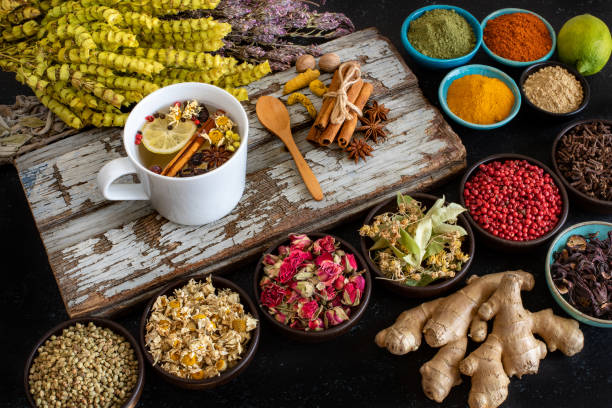
Ginger
If nausea has taken over your first trimester, ginger tea is often the first thing your provider recommends. It stands out as one of the most studied natural options for relief from morning sickness.
Peppermint
This one eases bloating, gas, and general stomach discomfort. Keep an eye on how you feel later in pregnancy, though, since peppermint sometimes worsens heartburn as your belly grows.
Rooibos
Rooibos skips the caffeine and packs in antioxidants, making it an easy substitute if you’re used to reaching for green or black tea throughout the day.
Lemon Balm
Lemon balm calms the mind, which explains why so many people reach for it in the evening when sleep feels hard to come by.
Red Raspberry Leaf
This herb comes with a built-in timing rule. Midwives and herbalists have long used it to tone the uterus and help prepare the body for labor, but most providers suggest waiting until the third trimester, often around week 32, before you start it.
Herbal Teas Worth Avoiding or Watching Closely
Just because something comes from a plant doesn’t automatically make it pregnancy-friendly. A few ingredients pop up in wellness blends that you’ll want to steer clear of.
- Licorice root — large amounts can trigger hormone-related concerns during pregnancy.
- Pennyroyal — people have historically used this to trigger miscarriage, so avoid it entirely.
- Concentrated sage tea — a pinch in cooking works fine, but skip the strong brewed versions.
- Senna and other laxative herbs — these can cause cramping and dehydration.
- Yerba mate — this carries high amounts of caffeine and other stimulant compounds.
- “Detox” or weight-loss teas — these usually mix several untested herbs at unclear doses.
Not sure about something on an ingredient list? Snap a photo of the box and ask your provider at your next appointment. It only takes a minute and saves you the guesswork.
How Your Tea Choices May Shift by Trimester
First Trimester

Extra caution matters most right now, since your baby’s organs are still forming. Ginger tea usually stands out as the go to choice here, mainly for easing nausea. Most providers ask you to hold off on raspberry leaf tea until much later.
Second Trimester

As nausea fades for most people, peppermint, rooibos, and lemon balm slide easily into a daily routine. Some providers let patients start with small amounts of raspberry leaf around now, though others still prefer waiting.
Third Trimester

This is typically when raspberry leaf tea gets its real start begin with a weak brew and slowly build toward about one cup a day. Peppermint can start bothering your heartburn more at this point, so feel free to swap it out if that happens.
Don’t Forget About Caffeine
Unlike most herbal blends, true teas black, green, white, and oolong all contain some caffeine. The American College of Obstetricians and Gynecologists recommends staying under 200 milligrams of caffeine per day throughout pregnancy.
| Black tea | 40–50 mg |
| Green tea | 25–35 mg |
| White tea | 15–25 mg |
| Oolong tea | 30–45 mg |
| Herbal tea (most types) | 0 mg |
Coffee, chocolate, and soda all count toward that same 200-milligram total, so tally everything up rather than just tracking your tea cup.
Practical Tips for Drinking Tea Safely
- Always read the full ingredient list, not just the marketing on the front of the box.
- Try a single cup first to gauge how your body reacts before you make it a habit.
- Pick commercially packaged tea bags from trusted brands over unlabeled loose-leaf blends.
- Leave about an hour between tea and your meals or prenatal vitamins, since tannins can block iron absorption.
- Add up your total caffeine if you switch between herbal and caffeinated teas on the same day.
- When something feels unclear, bring it to your next prenatal visit instead of guessing.
What Pregnancy-Safe Tea Can Actually Do for You
- Calms nausea and morning sickness, particularly with ginger
- Eases bloating, gas, and general stomach upset
- Gives you a caffeine free way to stay warm and hydrated
- Helps you relax and sleep better at night
- May support uterine toning in the final weeks with raspberry leaf
Risks You Should Keep in Mind
Even the teas on the “safe” list carry some risk in large amounts. Drinking several strong cups a day, instead of a moderate serving, raises your odds of side effects like stomach upset, headaches, or unusual uterine activity.
Certain herbs can also interact with prenatal medications or existing health conditions. This matters even more if you’re navigating a high-risk pregnancy, have had a preterm birth before, or manage something like gestational diabetes or a thyroid disorder.
Mistakes Worth Steering Clear Of
- Assuming the word “herbal” automatically means safe.
- Diving into several cups of a brand-new tea right away instead of easing in.
- Starting raspberry leaf tea too early without a provider’s go-ahead.
- Missing hidden caffeine tucked into chai blends or flavored black teas.
- Grabbing loose-leaf “wellness” blends without double-checking every ingredient.
- Leaving herbal tea habits out of the conversation at prenatal checkups.
Frequently Asked Questions
Can pregnancy tea be part of my daily routine?
Many commonly recommended teas, like ginger or rooibos, work well as a daily habit at one to two cups per day. Going overboard doesn’t add extra benefit, so aim for moderation.
Does drinking raspberry leaf tea guarantee labor will start?
No. Tradition holds that it tones the uterus, but it doesn’t guarantee labor will start on its own. Talk with your provider about what it can and can’t realistically do.
Is it fine to switch between different teas depending on how I feel that day?
Absolutely. A lot of people reach for ginger in the morning and lemon balm at night, adjusting as needed for symptoms. Just keep track of how much of each herb you take overall.
Can herbal tea take the place of my prenatal vitamin?
No. Tea can add comfort and support hydration, but it doesn’t replace the nutrients your prenatal vitamin provides.
Why does tea sometimes get blamed for low iron levels?
Tannins in tea bind to iron and lower how much your body absorbs. Since pregnancy increases your iron needs, spacing tea away from meals and vitamins helps limit that effect.
Are packaged pregnancy tea blends safer than homemade versions?
Generally, yes. Established brands measure out standardized, food-grade amounts, which makes them more predictable than a homemade mix using unmeasured loose herbs.
Is pregnancy tea still okay if I have gestational diabetes?
Most herbal teas still work fine, but check with your provider first, especially with sweetened or flavored versions that could affect your blood sugar.
What should I do if I drank a tea that’s usually discouraged, before I knew better?
A single cup of most teas is unlikely to cause harm. Just mention it to your provider at your next visit so they can offer guidance based on your specific pregnancy.
Key Takeaways
- Ginger, peppermint, rooibos, and lemon balm rank among the most trusted pregnancy teas in moderate amounts.
- Most people hold off on red raspberry leaf tea until the third trimester, ideally with a provider’s approval.
- Avoid herbs like licorice root, pennyroyal, and unregulated detox blends altogether.
- Caffeinated teas still count toward the 200-milligram daily limit ACOG recommends.
- Mention any new teas to your OB-GYN or midwife, especially if you’re having a higher-risk pregnancy.
Conclusion
A warm cup of tea can turn into one of the small, dependable comforts of pregnancy, whether it settles your stomach early on or helps you wind down before bed months later. The real key is matching the right tea to the right stage, rather than assuming every herbal label works for everyone.
Stick with familiar brands, keep your portions reasonable, and check in with your provider whenever something feels uncertain. Handle it with a little care, and tea can stay exactly what it’s meant to be during pregnancy: a small, comforting ritual through a season of big changes.