introduction
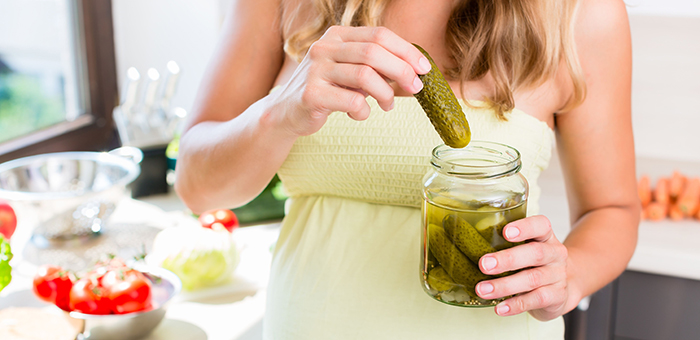
You just found out you’re pregnant, and suddenly you’re standing in front of the fridge at 11 p.m. craving pickles and orange juice. Sound familiar? Many women ask the same question in those early weeks: when do pregnancy cravings start, and is this normal?
For most women, cravings show up early. They usually begin somewhere between week five and week eight, and they tend to grow stronger as the first trimester goes on. From there, they often peak in the second trimester before easing up near the end of pregnancy. Every woman’s body works a little differently, though, so your timeline may look nothing like your best friend’s.
Why Cravings Are Worth Paying Attention To
Cravings aren’t just a funny pregnancy story you tell later. They’re tied to real changes happening inside your body. Hormones shift fast in early pregnancy, your sense of smell gets sharper, and your nutrient needs go up. All of that can shape what sounds good to eat, and what suddenly makes you want to leave the room.
Knowing what’s normal can also help you spot the rare cases where a craving points to something worth mentioning to your doctor, like a craving for non-food items.
What Are Pregnancy Cravings, Really?
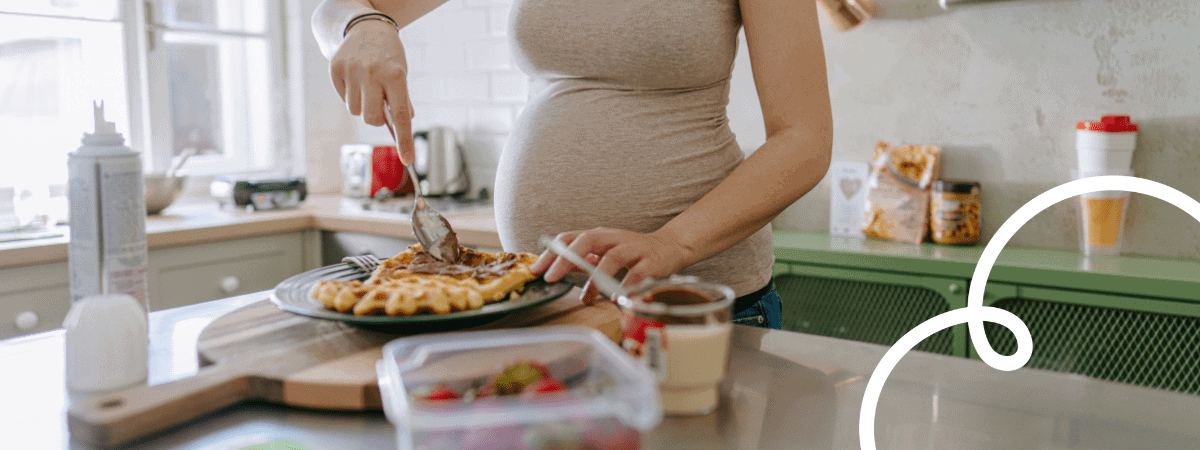
A pregnancy craving is a strong pull toward a specific food, sometimes a food you never cared about before. It can hit out of nowhere and feel surprisingly hard to ignore. Some women crave one food for weeks. Others jump from craving to craving with no clear pattern.
Doctors don’t have one single explanation for why this happens. Most agree it comes down to a mix of hormones, a heightened sense of smell, shifting nutrient needs, and simple comfort. Chocolate tops the list in the United States, while other cultures report completely different favorites, like rice in Japan. That alone tells you cravings aren’t purely biological. Habit and culture play a role too.
Cravings are also far more common than many women expect. Large surveys of pregnant women report that somewhere between half and nine out of ten experience cravings at some point, with one major study putting the number at 83%.
Pregnancy Cravings, Trimester by Trimester
Weeks 5 to 8: The First Signs
This is usually where cravings start. hCG and estrogen levels climb quickly during these weeks. Your taste and smell can change almost overnight. A food you loved last month might suddenly turn your stomach, while something you never touched becomes all you want.
Weeks 9 to 13: Cravings Get Specific
By the end of the first trimester, cravings often become oddly precise. Maybe it’s one exact brand of chips, or eggs cooked a certain way. This is also when morning sickness tends to peak, so cravings and nausea often show up side by side.
Second Trimester: The Peak
Once nausea calms down, cravings usually take center stage. Energy needs are rising fast during this stretch, and many women say this is when cravings feel the strongest and most specific.
Third Trimester: Things Settle Down
Cravings rarely vanish completely, but they usually lose some intensity as delivery gets closer. Some women notice a few cravings hanging around even after the baby arrives, before things return to normal.
| Trimester | Common Cravings |
| First | Salty snacks, citrus, plain carbs like crackers or toast |
| Second | Sweets, dairy, fruit, unusual food pairings |
| Third | Comfort food, spicy dishes, sweets (though usually milder) |
Practical Ways to Handle Cravings
- Skip the all-or-nothing mindset. A small treat now and then won’t derail a healthy pregnancy.
- Add nutrition to the craving. Want something sweet? Pair fruit with yogurt instead of reaching straight for candy.
- Check if it’s really thirst. Salty or crunchy cravings sometimes mean your body just needs water.
- Prep healthier versions in advance. Keep better options ready so a craving doesn’t turn into a fast-food run.
- Loop in a professional if cravings feel out of control. A dietitian can build a plan around your specific cravings and aversions.
Mistakes to Avoid With Pregnancy Cravings

One common mistake is ignoring cravings for non-food items, a condition called pica. Wanting to chew ice, dirt, clay, or starch is not something to brush aside. It can sometimes point to an iron deficiency, and eating these items can interfere with nutrient absorption or introduce harmful substances. Always mention this to your provider.
Another mistake is swinging too far in either direction, either giving in to every craving without limits, or restricting so hard that mealtime becomes stressful. Balance works better than either extreme.
Finally, don’t assume your cravings say anything about your baby’s sex. It’s a popular myth, but there’s no science behind it.
Frequently Asked Questions
When do pregnancy cravings usually start?
Most women notice them between weeks 5 and 8, though they often become more obvious later in the first trimester.
Can cravings start before a positive pregnancy test?
It’s uncommon. Cravings are usually linked to hormone changes that ramp up after implantation, so they tend to appear around the same time as other early symptoms.
Do cravings predict the baby’s sex?
No. This is a long-standing myth with no scientific backing.
Why do pregnant women crave strange food combos?
A sharper sense of taste and smell, mixed with hormone shifts and changing nutrient needs, can make odd pairings, like pickles and ice cream, genuinely appealing.
Is it normal to have no cravings at all?
Yes. Many women go through a completely healthy pregnancy with few or no strong cravings.
When do cravings peak?
The second trimester is usually the peak, once early nausea fades but before the third trimester slows things down.
When do cravings stop?
They typically ease up in the third trimester and fade further after birth, though this varies from woman to woman.
Should I worry about craving non-food items?
Yes. Cravings for ice, dirt, or starch should be discussed with your doctor, since they can sometimes signal low iron levels.
Key Takeaways
- Cravings usually begin between weeks 5 and 8 of pregnancy.
- They tend to peak during the second trimester and ease off in the third.
- Hormones, smell sensitivity, and nutrient needs all play a role.
- Moderation works better than strict restriction or unlimited indulgence.
- Craving non-food items should always be discussed with your provider.
conclusion
Cravings are one of the more talked-about parts of pregnancy, and for good reason. They show up early, shift as your body changes, and usually fade out naturally by the time you’re getting ready to meet your baby. A pickle-and-ice-cream night here and there isn’t something to stress over. If cravings ever feel extreme, unusual, or hard to manage, a quick conversation with your doctor or a prenatal dietitian can help you feel steady and supported through every trimester.