introduction
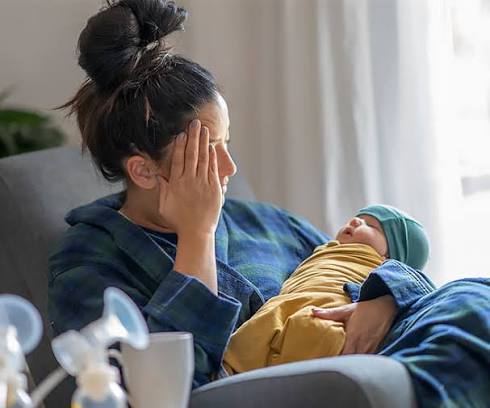
You survived pregnancy, delivery, and those blurry first weeks with a newborn. Then one day, out of nowhere, you notice a familiar cramp or a spot of blood and you’re left wondering, is this my period already? For most new moms, this question pops up long before anyone actually talks about it.
The truth is, there’s no single day when your period is “supposed” to come back. It depends on your body, how you’re feeding your baby, and a few other factors. Here’s everything you need to know, from timing to warning signs, so you can feel prepared instead of caught off guard.
Why This Question Matters So Much
Getting your period back is more than just an inconvenience to plan around. It’s actually a signal that your body is healing and your hormones are finding their balance again.
It also matters for practical reasons. If you’re not planning another pregnancy right away, you need to know that you can get pregnant again before your period even shows up. And if something about your bleeding seems off, knowing what’s normal helps you catch a real problem early instead of brushing it off.
So, When Does Your Period Actually Come Back?
The honest answer: it depends mostly on whether — and how much — you’re breastfeeding. Here’s a general idea of what to expect.
| How You’re Feeding Your Baby | When Your Period Usually Returns |
|---|---|
| Formula feeding (no breastfeeding) | About 6 to 8 weeks after birth |
| Mixed feeding (breast and formula/bottle) | Around 3 to 6 months, sometimes earlier |
| Exclusive breastfeeding, day and night | Often 6 months to a year, or longer |
These numbers are just averages, not hard rules. Some moms who breastfeed around the clock still get a period at 10 or 12 weeks. Others who bottle-feed don’t see theirs until three months in. Your genes, your stress levels, and your general health all play a role too.
The Hormone Behind the Delay
A hormone called prolactin is the main reason breastfeeding delays your period. Prolactin helps your body make milk, and it also puts a pause on ovulation. The more often your baby nurses, the higher your prolactin stays — and the longer your cycle takes to restart.
At the same time, your estrogen and progesterone dropped sharply right after delivery. It takes your body weeks or months to rebuild these hormones to a normal, cycling pattern. Add in a healing uterus, disrupted sleep, and the general chaos of caring for a newborn, and it’s easy to see why timelines vary so much from person to person.
Don’t Confuse Lochia With Your First Period
This mix-up trips up a lot of new moms. The bleeding you have right after birth is called lochia, and it’s not your period at all — it’s your uterus clearing out the lining left over from pregnancy.
| Lochia | Your First Real Period |
|---|---|
| Begins right after delivery | Begins weeks or months later |
| Sticks around for about 4 to 6 weeks | Lasts roughly 3 to 7 days |
| Fades from bright red to pink, then yellowish-white | Follows a normal period pattern |
| Comes from your uterus healing | Comes from ovulation starting again |
Here’s a simple way to tell them apart: if your bleeding stopped for several days or weeks and then came back, that second round is almost certainly your period not leftover lochia.
What Your First Postpartum Period Might Feel Like
Don’t expect your first cycle to feel exactly like it did before you got pregnant. Plenty of women notice some changes, at least for the first cycle or two:
- Heavier bleeding than you’re used to
- Bigger clots during your flow
- Cramps that feel stronger or, in some cases, milder
- Unpredictable timing, especially for the first several cycles
- A shorter or longer cycle than your old pattern
This usually settles down within a few months as your hormones find their rhythm again. If your body still feels “off” after several cycles, that’s worth mentioning to your doctor.
Signs Your Period Is About to Show Up
Your body tends to give you a heads-up before your period actually starts. Watch for:
- Mild cramping, similar to old PMS
- Sore breasts that aren’t related to nursing
- Irritability or mood swings
- Bloating
- A dull ache in your lower back
- Changes in vaginal discharge
If these symptoms show up weeks after your postpartum bleeding has already stopped, your period is likely on its way.
Breastfeeding, Fertility, and a Few Surprises

Breastfeeding is famous for delaying your period, but a lot of moms misunderstand exactly how it works. Frequent nursing keeps prolactin high, which can pause ovulation for months this is sometimes called lactation gonorrhoea.
But it only works as a reliable form of birth control under specific conditions: you’re breastfeeding exclusively (no formula, no long stretches without nursing), your baby is younger than 6 months, and your period hasn’t returned yet. The moment any of those change, ovulation can restart quietly — before your period ever shows up. In other words, it’s entirely possible to get pregnant again without having had a single period since your last baby.
Practical Tips for Handling Your First Period After Birth
- Stock up early. Keep pads or period underwear on hand starting around week 5, just in case.
- Track your body. A simple app can help you notice patterns and catch your first signs early.
- Eat iron-rich foods. Postpartum periods can run heavier, so support your body with good nutrition and plenty of water.
- Talk birth control early. Bring it up before your period returns, especially if you’re breastfeeding.
- Rest when you can. Being overtired tends to make cramps and mood swings feel worse.
- Give it time. An irregular first cycle is normal most bodies settle within a few months.
Mistakes New Moms Often Make
- Trusting breastfeeding alone for birth control. It only works under strict, specific conditions.
- Mixing up lochia with your real period. This can throw off your sense of your own timeline.
- Shrugging off heavy bleeding. Some heaviness is normal, but soaking a pad every hour is not.
- Skipping the postpartum checkup. It’s a great time to ask questions about your cycle.
- Comparing yourself to other moms. Every recovery timeline looks different, and that’s completely fine.
When to Call Your Doctor
Most changes in your postpartum period are harmless. But reach out to your doctor if you notice:
- Soaking through a pad every hour for several hours straight
- Clots bigger than a golf ball
- Bleeding that drags on past 7 to 10 days
- A bad smell, fever, or chills along with the bleeding
- Pain that doesn’t ease up with rest or over-the-counter medicine
- No period at all by 6 months postpartum, even if you’re not breastfeeding
These signs can point to an infection, leftover tissue from delivery, or a hormone imbalance — all things worth getting checked out sooner rather than later.
Frequently Asked Questions
How soon can my period come back after giving birth?
The earliest is usually around 5 to 6 weeks postpartum, mostly in moms who aren’t breastfeeding.
Can I get pregnant before my first period returns?
Yes. Ovulation happens before your period, so pregnancy is possible even if you haven’t had a period since giving birth.
Is a heavier first period normal?
Yes, this is common for the first cycle or two. If it stays heavy after that, check in with your doctor.
Does a C-section delay your period more than a vaginal birth?
Not really. The way you deliver doesn’t have much effect on timing — breastfeeding is the bigger factor.
Why is my cycle so irregular after having a baby?
Your hormones are still re balancing. Irregular cycles for the first three to six months are considered normal.
Can stress or poor sleep push my period back further?
Yes, both can affect your hormone levels and delay your cycle’s return.
Will breastfeeding stop my period completely?
It can pause it for months, especially with exclusive nursing, but it usually returns once nursing slows down or your baby starts eating more solid food.
How do I know if it’s my period or leftover postpartum bleeding?
If your bleeding stopped for a while and then started again, that’s most likely your period, not lochia.
Should I start birth control before my period comes back?
Many doctors recommend discussing this at your postpartum checkup, since you can ovulate before your period returns.
Can my period affect my milk supply?
Some moms notice a small, temporary dip around ovulation or their period, but it’s usually minor and short-lived.
What if my period still hasn’t returned a year after birth?
If you’re still breastfeeding often, this can be normal. If not, it’s worth talking to your doctor to rule out other causes.
Are postpartum cramps better or worse than before?
It varies by person. Some women find their cramps improve after having a baby, while others feel them more intensely for the first few cycles.
Key Takeaways
- Your first period after pregnancy can show up anywhere from 6 weeks to over a year later, depending mostly on breastfeeding.
- Lochia and your actual period are two separate things —don’t confuse them.
- You can ovulate, and get pregnant, before your period ever returns.
- Heavier flow and irregular timing are common at first and usually settle within a few months.
- Watch for red flags like hourly pad soaking, large clots, fever, or bleeding past 10 days.
Final Thoughts
Your body just carried, delivered, and is now nourishing a whole new human — give it grace as it finds its new normal. Whether your period returns at six weeks or ten months, both fall well within the range of healthy and normal. Pay attention to how you feel, jot down patterns as they show up, and don’t hesitate to call your doctor if anything feels genuinely wrong rather than just different. Your body knows what it’s doing, even when the timeline feels unpredictable.