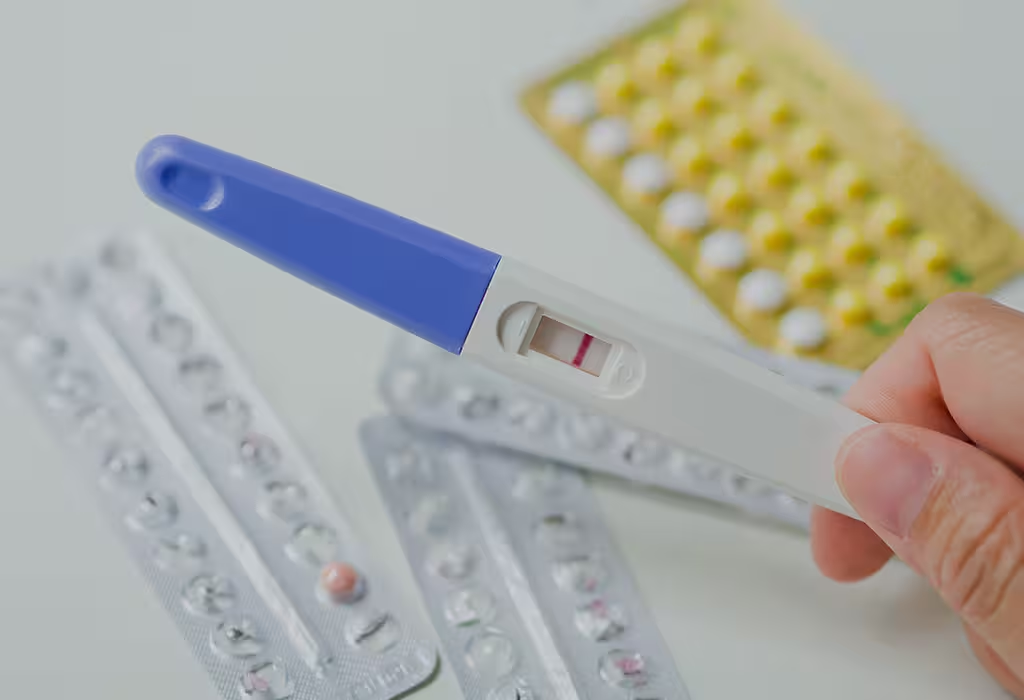
introduction
You dig through your bathroom drawer and find a pregnancy test you bought ages ago. The seal looks fine. The box looks fine. But should you actually trust it?
Here’s the short answer: no, not blindly. Pregnancy tests don’t last forever, and grabbing an old one without checking the date first could leave you with a result that’s flat-out wrong.
Why This Matters More Than You’d Think
A pregnancy test isn’t a static object sitting on a shelf. Inside that plastic case is a strip coated with antibodies built to catch a specific hormone in your urine, called ECG. That chemistry only works properly while the antibodies are fresh.
Once those antibodies age past their usable window, the whole system gets shaky. And when you’re trying to find out something this personal, a shaky answer is the last thing you need. A test that fails you at the wrong moment can send you into a false sense of relief, or unnecessary worry, for no good reason.
So, Do Pregnancy Tests Actually Go Bad?
Yes. Most pregnancy tests are good for roughly two to three years after they’re made, and manufacturers stamp that cutoff date right on the packaging. Past that point, the antibodies inside the strip start to weaken, and the test can no longer be counted on.
A helpful comparison: think about batteries. A brand-new battery has full charge. An old one might still spark a little life into a device, but it’s unreliable and could die at any moment. Expired pregnancy tests behave the same way they might still “work,” but you can’t count on the result being accurate.
Where the Date Actually Is
Manufacturers don’t hide this information, but it’s easy to miss if you’re not looking for it. Check these spots:
- The outer cardboard box, typically stamped near the bar code
- The individual foil pouch holding the test itself
- Look for the letters “EXP” followed by a month and year
- Some brands only print a lot number, which you can look up on the manufacturer’s website
No date anywhere on the box or wrapper? Play it safe and assume the test isn’t trustworthy.
What Makes a Test Expire Faster Than Expected
The printed date assumes the test has been stored the right way. Real life doesn’t always cooperate, and certain conditions can wreck a test long before its official cutoff.
- Heat: A hot car, a sunny windowsill, or a steamy bathroom can break down the chemicals early
- Humidity: Moisture creeping into the wrapper damages the strip inside
- Sunlight: UV rays speed up the breakdown of the antibodies
- A broken seal: Once the foil is opened, the clock starts ticking immediately — don’t save it for later
- Freezing cold: Extreme low temperatures can damage the internal components just as much as heat
Funny enough, the bathroom the most common place people stash these tests — is actually one of the worst locations for them. Steam from the shower does more damage than most people realise. A closet or a bedroom drawer is a much smarter storage spot.
Warning Signs Your Test Might Not Be Reliable
Sometimes you won’t have a clear date to check, or you’re just unsure about a test that’s been sitting around. Look out for these red flags before you use it:
- The printed expiration date has already come and gone
- The foil wrapper is torn, damaged, or looks like it’s been opened before
- The strip inside looks discovered or stained before you’ve even used it
- No control line shows up after testing
- The result line is barely visible, even after waiting the full recommended time
Pay close attention to that control line. It exists specifically to confirm the test is functioning. If it never appears, the test has failed, no matter what the result window shows.
What Could Go Wrong With an Expired Test
| Problem | What It Looks Like |
| False negative | You’re actually pregnant, but weakened chemicals fail to catch the hCG hormone |
| False positive | Uncommon, but degraded chemicals can occasionally produce a faint line that isn’t real |
| No result at all | The control line never shows, meaning the test simply didn’t work |
| Delayed decisions | A wrong answer can push back medical care or a choice you needed to make sooner |
Found an Old Test? Do This Before Using It
- Look for the date. Check both the box and the foil wrapper.
- Inspect the packaging. Make sure it hasn’t already been opened or damaged.
- Toss it if it’s expired. There’s no reason to gamble on a result you can’t trust.
- Think about how it was stored. Even a test within a date isn’t reliable if it’s been baking in a hot car.
- If it checks out, use it properly. Follow the instructions exactly and read the result within the correct time window, not an hour later.
Tips for Getting a Result You Can Actually Trust
- When in doubt, just buy a new one. A few dollars is a small price for a real answer
- Test first thing in the morning, when ECG levels in urine are strongest
- Read the instructions before you start, since timing differs between brands
- Use a timer instead of eyeballing the wait time
- Keep spare tests somewhere cool and dry, not in the bathroom
- Try not to drink a ton of water right before testing, since diluted urine can weaken the result
Common Mistakes People Make With Home Tests
- Checking too late. Lines that show up after the recommended window (called evaporation lines) don’t count and often get mistaken for a positive.
- Ignoring the expiration date just because the box still looks brand new.
- Storing tests in the bathroom, where heat and steam quietly shorten their lifespan.
- Testing too early in the cycle and blaming the test when hCG simply hasn’t built up yet.
- Opening the wrapper ahead of time and letting the strip sit exposed before use.
When It’s Time to Call a Doctor
A home test is a helpful first step, but it’s not the final word in every situation. Reach out to a healthcare provider if:
- You keep getting different results from test to test
- You have clear pregnancy symptoms but repeated negative results
- You got a positive result and want it confirmed with blood work
- You’re dealing with pain or unusual bleeding, regardless of what the test showed
A blood test ordered by a doctor can pick up ECG earlier and with far more precision than anything from a drugstore shelf, and it isn’t affected by an expired box sitting in your cabinet.
Frequently Asked Questions
How long is a pregnancy test good for after purchase?

Most last about two to three years from their manufacture date, though this varies slightly by brand.
Will an expired test always give a wrong answer?
Not always, but you can’t count on accuracy once a test has expired, which defeats the purpose of testing in the first place.
Is there any harm in using an expired test?
It won’t hurt you physically. The risk is entirely about getting a result you can’t rely on.
What’s the easiest way to check if my test has expired?
Look at the printed date on the box and the foil pouch. No visible date means you should treat it as unreliable.
Does a sealed, unopened test still expire?
Yes. Staying sealed protects it from damage, but the chemicals inside still break down naturally over time.
Why didn’t any line show up on my old test?
A missing control line means the test failed outright. Nothing it shows can be trusted at that point.
Can storage conditions cause a test to expire early?
Definitely. Heat, humidity, and direct sunlight can all degrade a test faster than its printed date suggests.
My test expires next week. Should I still use it?
If you’re testing soon, it should be fine. If there’s a chance you’ll wait past that date, grab a new one instead.
Do digital pregnancy tests expire the same way as strip versions?
Yes. Digital tests use the same antibody-based technology internally, so they follow a similar shelf life.
How should I get rid of an expired test?
Regular household trash is fine. No special disposal steps are needed.
Is a test that expired a few weeks ago still somewhat trustworthy?
It’s a gamble. The chemicals don’t fail instantly at the cutoff date, but there’s no way to know how reliable the result really is, so a fresh test is the smarter move.
Why do these tests expire if they’re just detecting one hormone?
Because the antibodies responsible for that detection are biological materials, and like anything biological, they naturally weaken with time.
Key Takeaways
- Pregnancy tests expire, usually within two to three years of manufacture
- An expired test can produce a false negative, an unreliable positive, or no result at all
- Always check both the box and the individual wrapper for the date
- Cool, dry storage helps a test stay accurate until its cutoff date
- When you’re unsure, a new test or a doctor’s blood test is worth the extra step
Final Thoughts
That old test sitting in your cabinet might look perfectly fine from the outside, but looks don’t tell you what’s happening chemically inside the strip. Checking the date takes seconds, and a replacement test costs next to nothing compared to the confusion a wrong result can cause. If you need a real answer, start with a fresh test, follow the steps closely, and lean on a doctor’s visit if anything still feels unclear.